

Xu Hu recently completed one of my coaching programs designed to help her transition into the field of science communication. In this post, she reflects on her journey through the program, sharing how the coaching and mentorship helped her overcome her writing challenges and take purposeful steps toward her goals. Thank you, Xu, for sharing your experience and trusting me to support you in your science communication project!
How the journey started
Several months back, I was on a career break that provided me a chance to clear my head and have another think about which direction I would like to go in my career. It also gave me a canvas that had enough space to learn new skills and level up my existing ones.
The professional skill I am always keen to improve is writing scientific and medical-related content. I have gained knowledge and experience in writing research articles through training in academia and industry. The writing style for research papers is quite specific and technical, with scientific terms that scientists think are natural and easy to digest. However, a layperson reader or even scientists from other fields find them a mouthful.
At the same time, I have also been intrigued by the ability to write scientific content that lay audiences can understand. One day, I came across the career coaching for science communicators post from Santiago on LinkedIn. With an open mindset and curiosity, I contacted Santiago for an exploration call of the coaching program. After the initial communication with Santiago, I immediately decided to go for it. The program was exactly what I was looking for to level up my writing skills and help me get closer to my next career chapter. Also, importantly, I have never had a career coaching before, so I was all up for exploration as well. Here began a few-month journey of crafting my writing skills. Very exciting!
How was the experience?
Through conversations during the first few sessions, the goal was for the coach and myself to understand better what I aimed to achieve during the sessions. Specifically, I aimed to develop and launch a blog website within a few months; the core of this project was writing articles for the general public. Writing to a lay audience requires a different writing approach than the one I was used to. The sessions would help me craft the writing style that I have always wanted to develop.
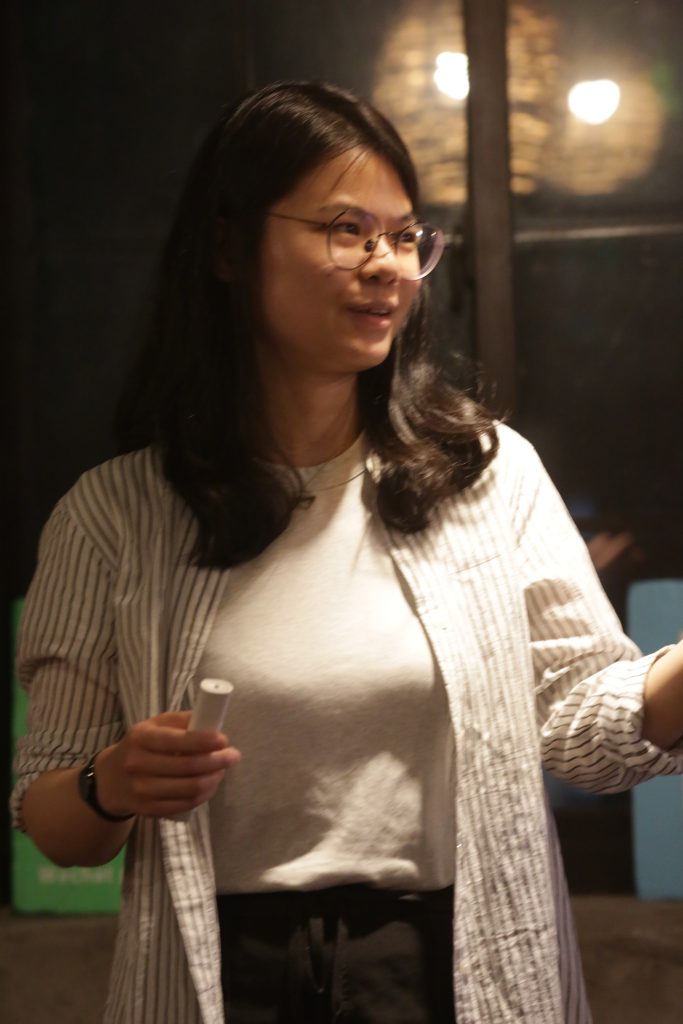
With the guidance and encouragement from Santiago, I got my feet on the ground, rolled up my sleeves, and started writing. I searched for a research paper about the topic I wanted to include on my website, drafted a storyline, and then wrote the full article. The first draft of this article was full of traits of the writing style of a research paper (or dull academic writing) and far from lay language, but that was okay! I needed to start from somewhere, which can often be challenging. We need to embrace and accept the initial toughness; that is how we progress and reach where we want to be.
Improvements came from working through the comments and criticisms on the drafts. I appreciated that Santiago did not make hands-on corrections to my articles. Instead, he focused on the big picture and the structure of my drafts. He asked a lot of questions, which made me think and search again. It was this way of receiving feedback and revising my articles that helped me transform and develop a new writing style. THE ONE thing that Santiago kept saying was “target audience – always have a clear type of target audience for the articles and keep this in mind while writing.” The target audience for a science communicator is like a lighthouse by the shore for ships. It helps writers navigate topics, problems to solve, and tone of language. My writing ability was established well before the coaching program. Still, it was the mindset shift when writing for different target audiences that really made a difference. In addition, another key advice I received from the coach was to think further and a little harder while writing a sentence. This advice seems simple and even a bit abstract at first sight. But this was also the advice that my writing benefited greatly from. Putting this advice into practice is having another think of the sentence I wrote to see if I could simplify it without losing its meaning and accuracy.
Looking back at the coaching sessions with Santiago, the core pieces of advice that have been tremendously helpful are to specify the target audience and think harder about the purpose of the sentences.
I gained these from the coaching journey: Clarify what I want to pursue in my career. Identify the skills I want to develop to have a better chance to explore the career I want. Search and ask for help; a coach can be a strong support, especially when I feel lost in career development. Trust the coach and the entire process. Set a timeline for achieving the goal and be consistent. Be positive about criticisms that are actually good for my growth. Those criticisms are not personal; they are fuels for moving forward.
As a science communicator and a reader of this post, I hope my experience resonates with your experience in the career development journey or could be a little encouragement and help to you.
—
If you’re curious about science communication coaching, contact Santiago here.


